

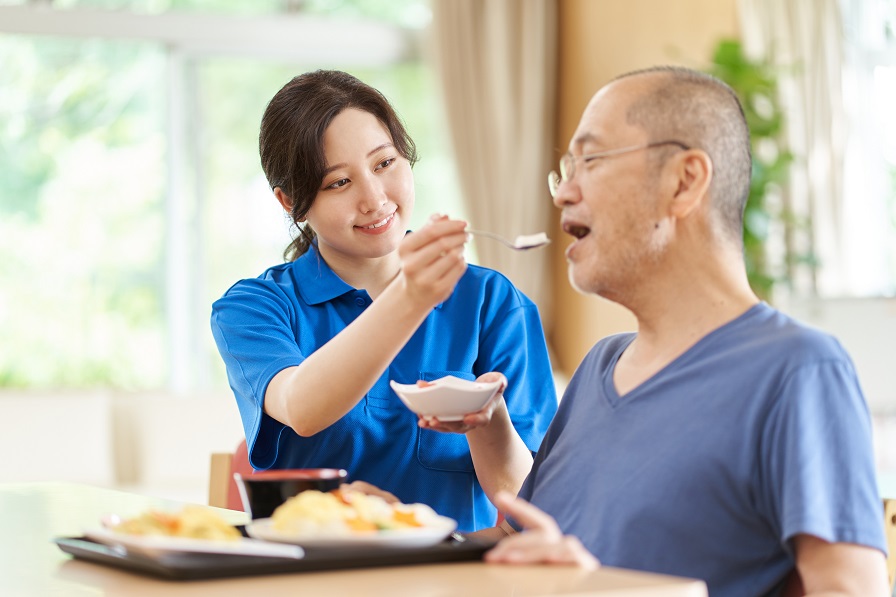
Festive gatherings often include rich foods that can place added strain on seniors with diabetes. A calm, steady approach to meals helps keep glucose at a safer level throughout the season. Lean proteins, fiber-rich vegetables, whole grains, and low-glycemic fruits bring comfort and flavor without sharp spikes. Thoughtful planning also supports smoother digestion and steadier energy. Families who rely on elder care or personal care assistance services often find that a structured approach to holiday meals brings reassurance to both seniors and caregivers. Creating balanced plates encourages confidence at celebrations and helps seniors feel fully included in the season’s traditions.
Portion size plays a meaningful role in glucose stability. A smaller plate encourages moderation, giving seniors a sense of control even when surrounded by an abundance of dishes. Taking time to observe the options at the table before serving can help guide better choices. Seniors can enjoy favorite seasonal dishes in smaller amounts, supported by lighter sides that promote satisfaction without discomfort later. Care teams offering caregiver support and companionship can join in this process, creating a supportive atmosphere that helps seniors feel comfortable in social settings.
- Smart Choices for Gatherings and Events
Holiday events often present an unpredictable mix of dishes. This uncertainty can feel challenging for seniors who must manage their glucose levels carefully. Selecting vegetables, broths, lean meats, or grain-based sides offers a gentle approach to eating during these gatherings. Bringing a diabetes-friendly dish can offer both comfort and reliability, making it easier to enjoy the event without second thoughts about ingredients. Seniors who receive daily living help may appreciate guidance in preparing dishes at home in advance, especially meals with simple preparation steps and familiar flavors.
Slow, mindful eating allows the body to respond more gently to food. This approach helps prevent overeating and supports steadier glucose levels throughout the gathering. Seniors can pause between bites, enjoy the conversation, and tune in to natural cues of fullness. A supportive care team helps reinforce these habits, particularly if mobility support is needed during meal prep or navigating crowded spaces.
- Managing Sweets and Traditional Treats
Many families hold special memories tied to desserts, and seniors living with diabetes can still take part in these traditions with thoughtful adjustments. Small portions of desserts keep the spirit of the celebration intact. Fruit-based treats, sugar-free options, and baked goods prepared with alternative sweeteners offer enjoyable ways to end a meal without causing a significant rise in glucose. Checking ingredients before preparing or serving desserts becomes a helpful routine for seniors who rely on in-home care, particularly those who require safety supervision for kitchen tasks.
Holiday beverages also deserve attention. Festive drinks often contain added sugars that can affect glucose levels quickly. Choosing water, unsweetened tea, or beverages flavored with fresh fruit provides refreshing alternatives. Seniors who receive mobility support or meal prep assistance may benefit from having these drink options ready at home, giving them something satisfying to enjoy during celebrations.
- Supporting Healthy Eating at Home Throughout the Season
Maintaining steady routines during holiday months helps seniors keep glucose levels more predictable. Regular meal times reduce sudden hunger and the urge to snack on sweets. Balanced portions with protein, vegetables, and whole grains help keep glucose steady throughout the day. Care teams offering senior care services can assist by organizing weekly menus, reviewing grocery items, and helping prepare dishes in advance. A thoughtful pantry setup reduces the temptation of sugary snacks and encourages healthier daily habits. Respite care can also support families during busy periods, ensuring seniors have consistent guidance and supervision.
Many older adults feel more comfortable with gentle reminders to drink water, maintain consistent eating patterns, and choose snacks that support health goals. Seasonal stress may interrupt appetite or sleeping patterns, making it even more valuable to keep consistent mealtimes. Families relying on personal care assistance services may find that a little structure gives seniors reassurance during the busiest parts of the season. These habits bring a sense of order that supports both health and emotional comfort.
- Encouraging Confidence and Wellness Through Care Support
Seniors with diabetes often thrive when they feel supported socially, physically, and nutritionally. Meal planning, grocery support, and shared preparation time give them a sense of independence. Care providers offering safety supervision can monitor cooking activities for seniors who need extra assistance in the kitchen. Even a simple reminder to check portion sizes or choose a steadier snack can make a meaningful difference.
Families who receive in-home care services often report that seniors feel more at ease knowing they have guidance available during seasonal events. A warm, calm kitchen encourages participation, allowing seniors to help prepare meals at a pace that feels safe and comfortable. These moments bring both confidence and joy to the holiday season. A thoughtful care plan supports glucose stability, emotional well-being, and a sense of shared celebration.
Professional caregivers providing Elder Home Care, caregiver support, and companionship can assist with meal routines, food selection, and promoting healthier choices while preserving the joy of the holidays. Each step toward balanced eating contributes to better comfort, steadier energy, and more meaningful participation in family traditions.
For compassionate support that helps seniors enjoy safer and more comfortable holiday meals, contact Elder Home Care today to speak with a caring team member ready to assist your family.
Disclaimer
Blogs, content and other media uploaded online are for informational purposes only. Contents on this website should not be considered medical advice. Readers are strongly encouraged to visit their physician for health-related issues.
