

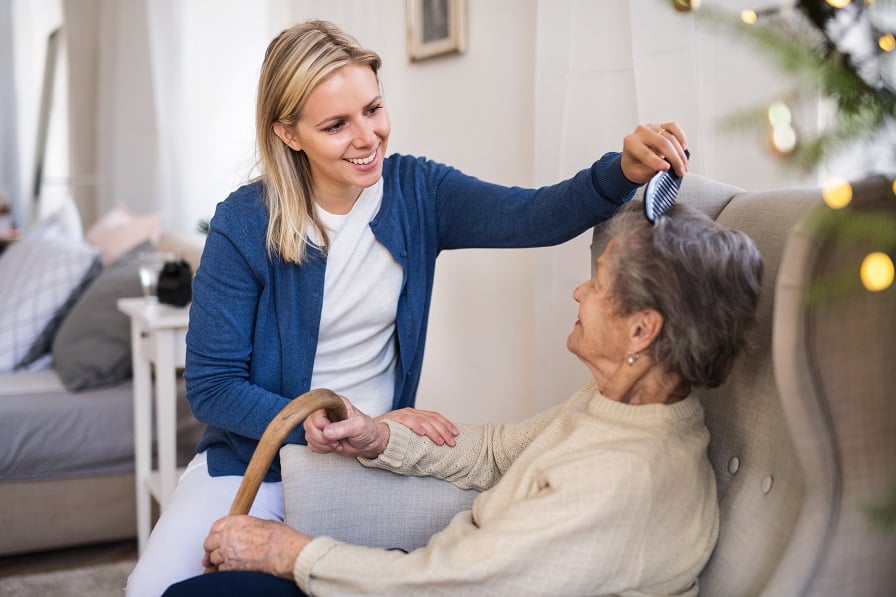
Living alone in the later years can be both empowering and challenging. While many older adults take pride in their independence, the reality is that spending long stretches of time without social interaction or day-to-day support can affect emotional well-being, mental health, and personal safety. Companion care bridges that gap—offering meaningful connection, social engagement, and peace of mind for seniors who live alone. This blog explores why companion care matters and how it supports healthier, safer, and more fulfilling aging at home.
- Why Living Alone Can Be Risky for Seniors
- What Companion Care Really Means
- Light conversation and emotional support
- Accompaniment to appointments or errands
- Engaging activities like puzzles, walks, or hobbies
- Gentle encouragement to stay socially active
- Regular check-ins and wellness reminders
- Light household tasks that reduce strain
- Emotional & Social Benefits of Companion Care
- Reduced Loneliness and Social Isolation
- Better Mental and Emotional Wellbeing
- Improved Confidence and Independence
- Physical & Safety Benefits of Companion Care
- Reduced Fall Risk
- Immediate Assistance in Emergencies
- Support for Healthy Daily Habits
- How Home Care Supports Independent Seniors
- Making Companion Care More Effective at Home
- Matching based on personality and preferences – Seniors connect more naturally with companions who share similar interests or communication styles.
- Establishing a comfortable routine – Regular visits build trust and provide predictability.
- Encouraging social engagement seniors can enjoy – Whether it’s a short outdoor walk, a community activity, or a favorite hobby, engagement fosters a sense of purpose.
- Maintaining communication among family, companion, and care provider – This ensures everyone is up-to-date on the senior’s needs and well-being.
For older adults, living alone can increase the likelihood of emotional and physical challenges. Various local studies have noted that seniors who live by themselves tend to report higher loneliness levels compared to those who live with family. Loneliness, in turn, is linked to a greater risk of depressive symptoms—especially among older adults with limited social engagement.
Physical safety is another major concern. Falls remain one of the leading causes of injury among seniors worldwide. Living alone doesn’t cause falls, but it increases the danger when one happens. Without someone nearby to help, a minor slip can turn into a serious emergency. Seniors living alone also tend to delay seeking help for early signs of illness, which can lead to more complications later on.
This combination—loneliness, isolation, emotional stress, and safety risks—makes companion care a valuable support system for seniors choosing to age at home.
Companion care is non-medical support designed to help older adults stay socially active, emotionally supported, and safely independent. It focuses on connection rather than clinical care.
Companion caregivers typically assist with:
It is, at its core, a relationship-based service—meant to enhance daily life and provide a consistent human connection.
Many seniors experience long, quiet hours that contribute to emotional fatigue. Companion care introduces dependable social interaction. Seniors gain someone to talk to, laugh with, and share their stories or routines with. This regular connection helps reduce feelings of isolation and encourages healthier emotional balance.
Depression among older adults often goes unnoticed because it develops gradually. Social engagement is one of the strongest protective factors against mental decline. A companion provides consistent encouragement, emotional reassurance, and healthy conversation—simple moments that significantly influence mental health.
The presence of a companion alleviates the silent worries that come with living alone. Seniors often report feeling more confident performing daily tasks or stepping outside for fresh air when they know someone is available for support. Companion care doesn’t replace independence; it strengthens it.
Many falls happen due to preventable home hazards—unsteady furniture, poor lighting, slippery floors, or rushing to complete tasks alone. A companion can help identify these risks early and support the senior during walking, moving around the house, or doing activities that require stability.
Should dizziness, unsteadiness, or discomfort arise, a companion is there to offer timely help. This decreases panic, minimizes injury severity, and ensures the senior receives assistance sooner rather than later.
Seniors living alone may skip meals, avoid exercise, or stick to overly quiet routines. A companion brings gentle motivation—suggesting a walk, preparing simple meals with them, or encouraging hydration. These small reinforcements help preserve mobility, strength, and overall vitality.
Choosing the right companion care provider means choosing a team that understands the emotional and physical needs of seniors living alone. Companion care is built around human connection, meaningful engagement, and personalized support. Our approach ensures that seniors maintain their independence while still enjoying regular social interaction and everyday safety assistance.
We also recognize the local realities many families face: seniors living alone experience higher loneliness scores, reduced social involvement, and increased risk for falls or health concerns. With this in mind, Elder Home Care structures its senior companion services to address both emotional well-being and safety—two factors that strongly influence quality of life.
To maximize the benefits of companion care, families can consider:
These simple practices help the senior feel supported, respected, and genuinely cared for.
Aging alone does not mean aging without support. Companion care offers seniors emotional connection, meaningful interaction, and everyday safety—three essentials for maintaining independence and wellbeing. It’s a simple, compassionate way to ensure that living alone doesn’t become lonely or unsafe.
If you’re exploring senior companion services for yourself or a loved one, contact Elder Home Care today to learn how compassionate companionship can make aging at home safer, happier, and more fulfilling.
