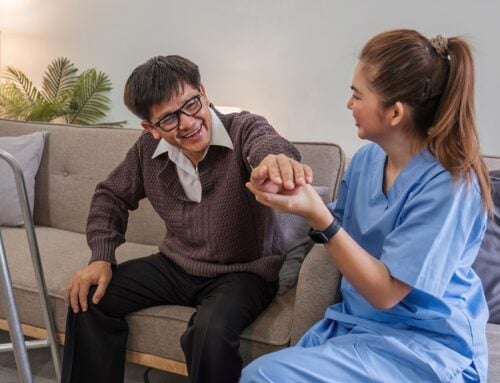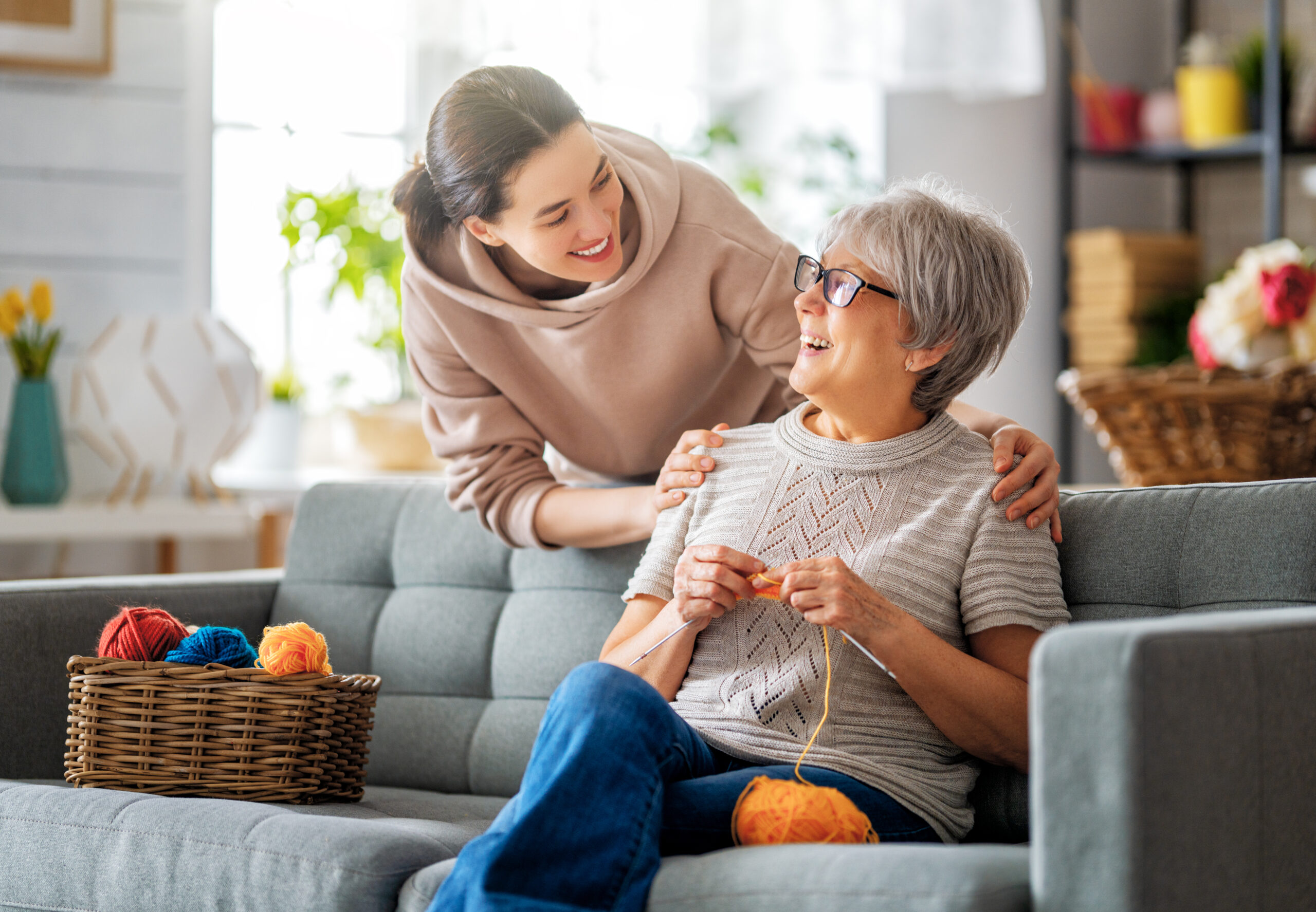
Home-based support for older adults and individuals with disabilities continues to grow as families seek safer, more comfortable ways to meet daily living needs. These services allow individuals to remain in familiar surroundings while receiving structured help for routine activities. Caregiving forms the foundation of this type of support, focusing on dignity, respect, and consistency in daily life. It is commonly chosen by families who want personalized attention without moving loved ones into residential facilities.
Home services are generally divided into two main categories that serve different needs depending on the situation. Home care focuses on non-medical support such as bathing, grooming, meal preparation, and companionship. Home health involves clinical procedures provided under medical supervision, often following a hospital stay or treatment plan. The distinction between these two types of services helps families avoid confusion and select appropriate support based on the severity of the condition and care requirements.
Daily routines become easier to manage when structured assistance is available at home. Many seniors struggle with basic tasks due to reduced mobility, chronic conditions, or cognitive changes. Having support allows them to continue living at home safely and comfortably. Assistance with everyday activities reduces physical strain and helps maintain a more predictable routine, supporting emotional and physical stability over time.
Medical oversight delivered at home plays a significant role in maintaining stability for individuals with ongoing health conditions. Care providers may observe symptoms, track changes in behavior, and coordinate with healthcare professionals when needed. This helps reduce unnecessary hospital visits and allows early identification of potential concerns. Home health observation supports better continuity of care and allows individuals to remain in a familiar, stress-free environment while managing their conditions.
Social and emotional needs are often overlooked but remain a key part of home-based support systems. Many seniors experience isolation, especially those living alone or far from family members. Regular interaction with caregivers provides companionship and a sense of routine. Connection helps improve emotional well-being and supports mental alertness through consistent social interaction and daily communication.
- Mobility support helps individuals move safely within their homes and reduces the risk of falls or injury. Caregivers assist with walking, repositioning, and transferring between furniture such as beds and chairs. Gentle movement activities may also be encouraged, following general guidance from healthcare professionals. Improved mobility support increases confidence in daily movement and reduces dependence on others for basic physical tasks.
- Medication reminders play a key role in maintaining treatment consistency for seniors managing multiple prescriptions. Caregivers help ensure medications are taken at the correct times and in proper dosages. This reduces the risk of missed doses or accidental overuse, which can lead to complications. Regular reminders help maintain stability in ongoing treatment plans and support better long-term health management.
- Nutrition support focuses on maintaining balanced meals that match dietary needs and health conditions. Caregivers may assist with meal preparation, grocery planning, and monitoring food intake. Proper nutrition supports energy levels, immune function, and recovery from illness. Consistent meal routines also help regulate digestion and contribute to overall physical strength and well-being.
- Companionship provides emotional engagement through conversation, shared activities, and daily interaction. Many seniors benefit from having someone to talk to regularly, which helps reduce feelings of loneliness. Activities such as reading, light games, or storytelling can also support mental stimulation. Emotional connection plays an important role in maintaining a positive outlook and daily motivation.
- Safety monitoring involves identifying and reducing risks inside the home environment. Caregivers may check for hazards such as slippery floors, poor lighting, or blocked pathways. Small adjustments in the living space can significantly reduce accident risks. A safer home environment supports independence and allows individuals to move more confidently within their own space.
Ongoing observation of physical and behavioral changes is an important part of structured home-based support. Caregivers may track appetite, sleep patterns, mood changes, and mobility. This information helps identify early warning signs that may require medical attention. Monitoring creates a structured approach to understanding daily health conditions and supports timely responses when changes occur.
Maintaining independence is often a top priority for seniors receiving home-based support. Many individuals prefer to stay involved in their daily routines and make personal decisions about their lifestyle. Care services are designed to assist without taking away autonomy. Independence allows individuals to maintain confidence and self-worth while still receiving necessary help for safety and comfort.
Family involvement also plays an important role in successful home-based care arrangements. Relatives often coordinate schedules, communicate with caregivers, and monitor progress over time. This shared responsibility helps reduce pressure on any single family member. Coordination between caregivers and families ensures that care remains consistent and aligned with changing needs.
Planning ahead for care needs can reduce stress when health conditions change unexpectedly. Families may assess current abilities, living conditions, and available resources before deciding on care arrangements. Early planning allows smoother transitions and avoids rushed decisions during emergencies.