

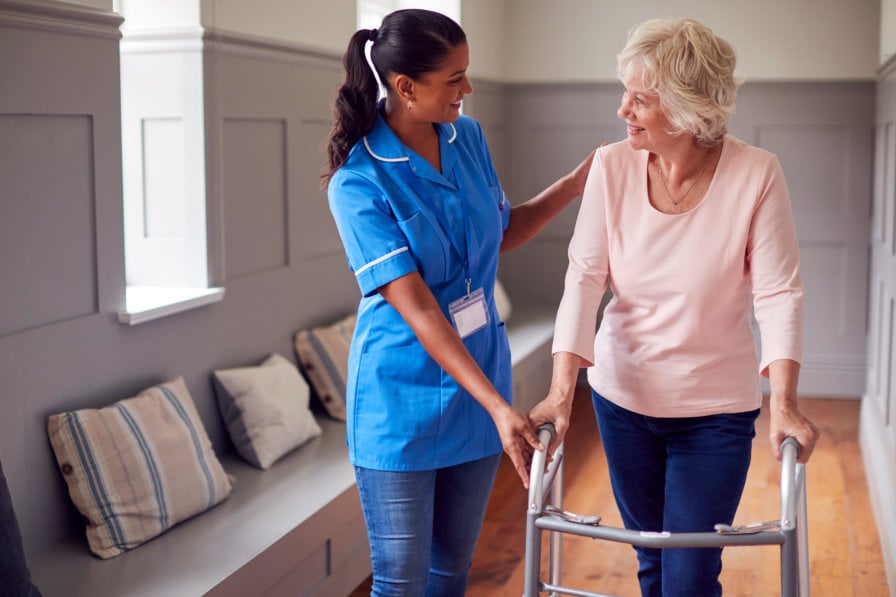
Falls are one of the leading causes of injuries among seniors, often resulting in fractures, hospitalization, or even a loss of independence. For elderly individuals, avoiding falls is critical to maintaining both physical health and confidence. In-home care plays a pivotal role in reducing fall risks, combining personalized support, environmental adjustments, and expert guidance.
- Personalized Fall Risk Assessment
A foundational element of fall prevention for seniors is conducting a thorough in-home fall risk assessment. Trained caregivers evaluate the living environment, identify potential hazards, and create actionable strategies to reduce risk. This may involve checking for uneven flooring, loose rugs, poor lighting, or furniture placement that could obstruct mobility. The Centers for Disease Control and Prevention (CDC) highlights that home safety modifications can reduce the risk of falls by nearly 50% (CDC, Fall Prevention for Older Adults).
Checklist for Fall Risk Assessment:
- Inspect flooring for loose rugs, clutter, or slippery surfaces
- Ensure hallways, stairways, and rooms have adequate lighting
- Confirm handrails and grab bars are secure in stairways and bathrooms
- Check mobility aids such as walkers, canes, or wheelchairs for proper function
- Review medications that may cause dizziness or drowsiness
By addressing these risk factors, caregivers create a safer environment that supports mobility and prevents accidents before they occur. - Assistance with Daily Activities
Many seniors face challenges performing routine activities, including bathing, dressing, cooking, and moving between rooms. These everyday tasks can pose a fall risk, especially for individuals with limited strength, balance issues, or chronic health conditions. In-home care provides hands-on support, allowing seniors to complete daily activities safely.
- Use non-slip mats in bathrooms and kitchens to prevent slips
- Assist with safe transfers from bed, chairs, or toilets
- Ensure frequently used items are within easy reach to minimize stretching or climbing
- Encourage supportive footwear to improve stability
- Monitor bathroom and kitchen activities to prevent accidents
Support with daily living allows seniors to maintain independence while reducing stress and fear of falling. It also provides families with peace of mind knowing their loved ones have guidance during potentially hazardous tasks. - Exercise and Mobility Support
Physical fitness, balance, and muscle strength are critical for preventing falls. In-home caregivers often guide seniors through safe, supervised exercise routines tailored to their abilities. These routines may include stretching, light strength training, chair exercises, or short walks. Even modest improvements in mobility and coordination can dramatically reduce fall risk.
- Include balance exercises such as standing on one foot or heel-to-toe walking
- Perform gentle strength training with light weights or resistance bands
- Encourage daily stretching to maintain flexibility
- Supervise walking, especially on stairs or uneven surfaces
- Incorporate mobility aids when necessary to ensure safety
Regular physical activity also boosts confidence and independence, helping seniors remain active without unnecessary fear of injury. - Home Modifications for Safety
In-home fall risk extends beyond routine supervision. Environmental adjustments are essential to creating a secure space. Caregivers can recommend modifications such as installing grab bars, removing tripping hazards, improving lighting, and adjusting furniture layout. Simple changes can significantly reduce the likelihood of falls and improve overall home safety.
- Install grab bars in bathrooms, especially near showers and toilets
- Add handrails on all stairways
- Remove loose rugs or secure them with non-slip backing
- Ensure adequate lighting, particularly in hallways and entryways
- Reorganize furniture to provide clear walking paths
These modifications are particularly important for seniors with impaired vision, limited mobility, or balance challenges, creating an environment where independence and safety coexist. - Emergency Preparedness and Monitoring
Even with preventive measures, falls can happen. In-home care ensures seniors have access to emergency alert systems and immediate assistance if an accident occurs. Quick response is critical for reducing complications and speeding recovery. Caregivers can also establish routines for regular check-ins, helping detect changes in health or mobility early.
- Install wearable alert devices or medical alert systems
- Keep emergency numbers accessible in every room
- Train caregivers in proper fall response procedures
- Maintain a regular schedule for check-ins and monitoring
- Encourage seniors to notify caregivers immediately if they feel unsteady
Preparedness reduces anxiety and provides both seniors and families with reassurance that help is always available. - Education and Awareness
Education about fall prevention is a vital component of in-home care. Caregivers can teach seniors and their families about risk factors, safe practices, and strategies for maintaining balance and strength. Awareness encourages proactive participation in fall prevention and empowers seniors to take control of their safety.
- Review common household hazards and preventive measures
- Educate on proper use of mobility aids
- Discuss safe techniques for transferring or standing from seated positions
- Provide guidance on fall recovery strategies
- Offer resources from reputable organizations, such as the CDC or National Institute on Aging (NIA, Preventing Falls)
Combining education with in-home care ensures a comprehensive approach to safety that goes beyond environmental modifications.
In-home care provides a comprehensive approach to fall prevention for seniors, combining environmental assessments, assistance with daily activities, exercise support, medication management, and emergency preparedness. Families looking to protect their loved ones can benefit from professional guidance and personalized care plans. By integrating these measures, seniors enjoy a safer, more confident, and independent lifestyle at home.
Contact Elder Home Care today to explore services that help seniors avoid falls and maintain their independence.
